 Open Places API
 Blog
Notes from the workshop.
Guides and engineering notes on Overture data, place search, and shipping location features without adopting a maps platform. RSS.
-
Can you store Places API results? Every caching policy, compared
What Google, Mapbox, Foursquare, Radar, HERE, LocationIQ, and Geoapify actually let you keep from a place search — 48-hour caches, 30-day windows, IDs-only rules — and where you can store results forever.
Read it ▸ -
Migrating off Foursquare Places v3
A practical migration guide for teams that used Foursquare Places v3 for backend nearby search and now need a narrower, cacheable open-data alternative.
Read it ▸ -
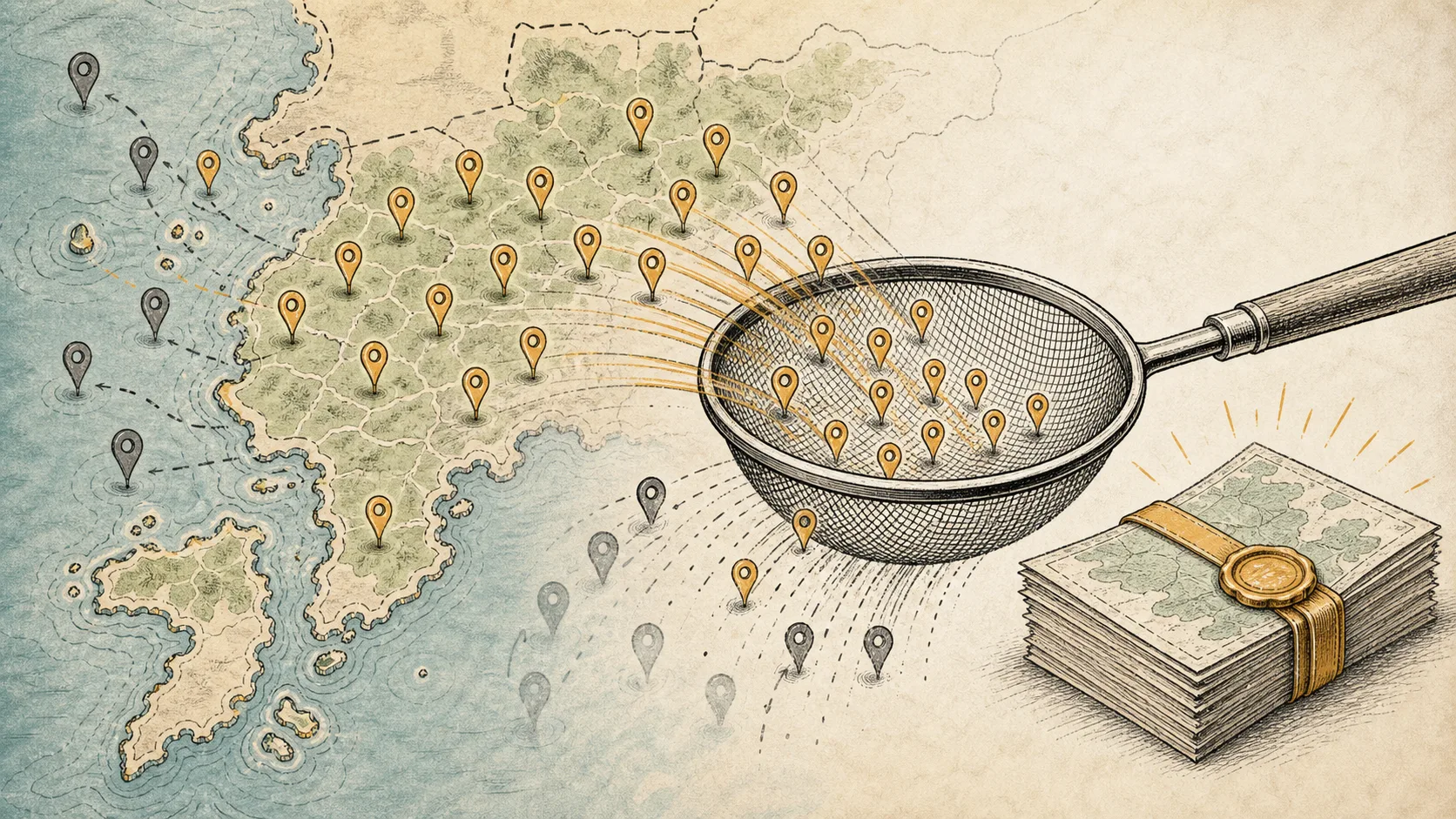
Overture Places release digest: June 2026
The 2026-06-17 Overture release filters places outside their country-code boundaries, keeps Places on schema v1.17.0, and continues the category transition.
Read it ▸ -
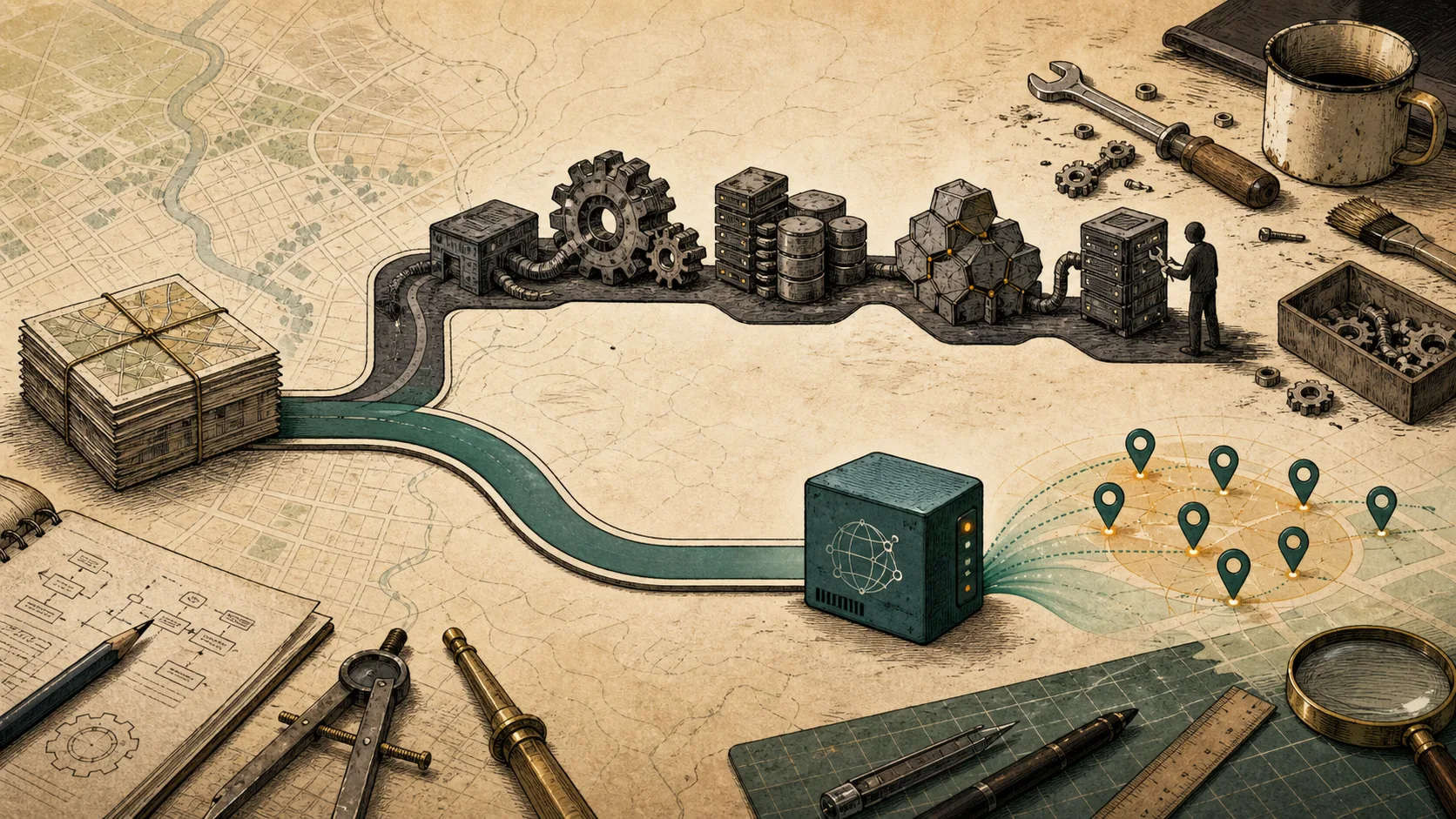
Nearby search API: build or buy?
A pragmatic framework for deciding whether to self-host open POI data or use a hosted nearby search API.
Read it ▸ -
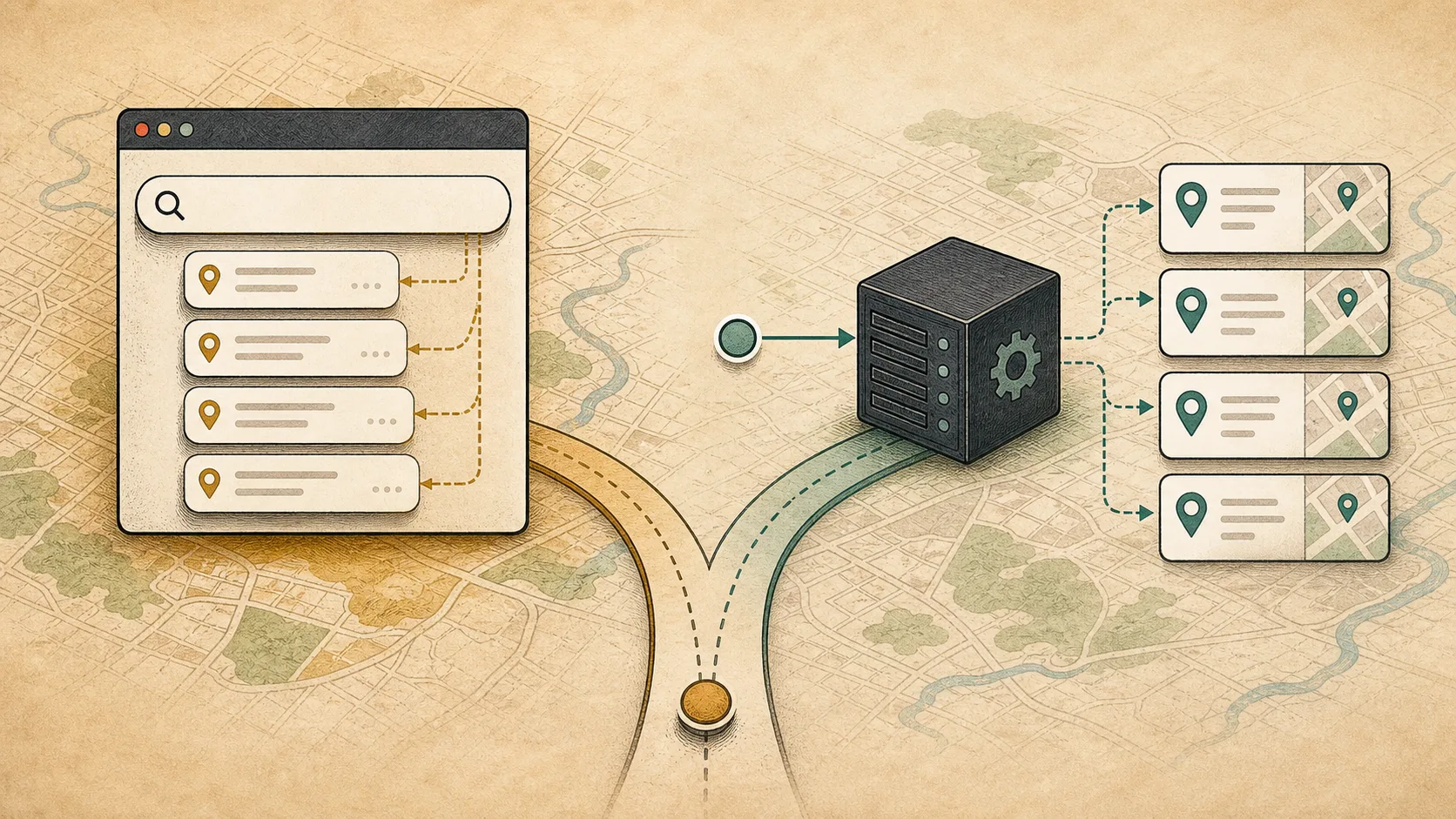
Mapbox Search Box vs a nearby search API
Mapbox Search Box is built for interactive address, place, and POI search. A nearby search API is simpler when you already have a coordinate and need nearby JSON.
Read it ▸ -
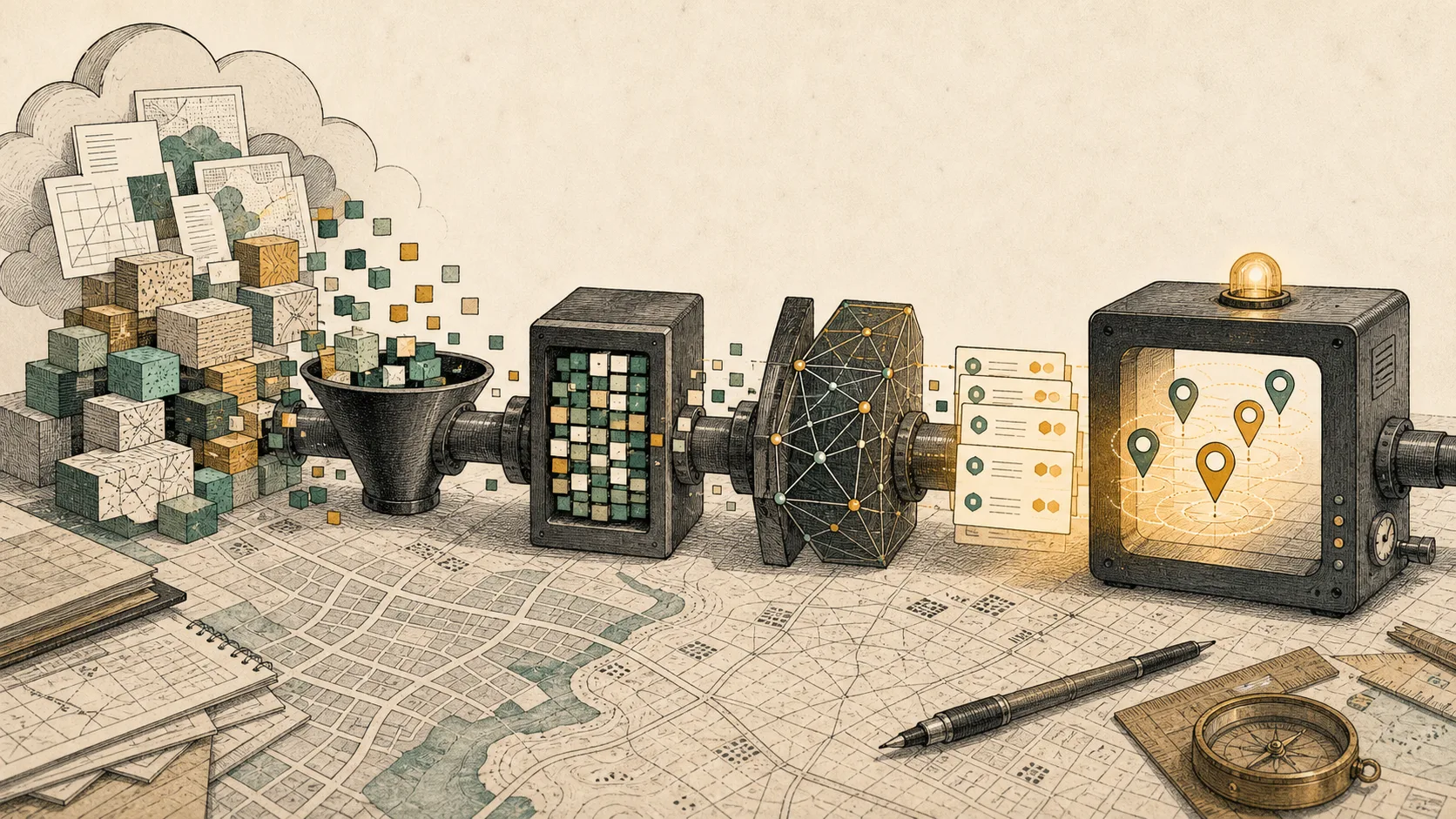
Overture Maps Places, explained for developers
Overture Places is open POI data with sources, schema, releases, and cloud distribution. Here is what it gives you and what you still have to build.
Read it ▸ -
Is there an OpenStreetMap POI API?
OpenStreetMap is open map data, not a production POI search API. Here is how Overpass, Nominatim, Overture, and hosted place search fit together.
Read it ▸ -
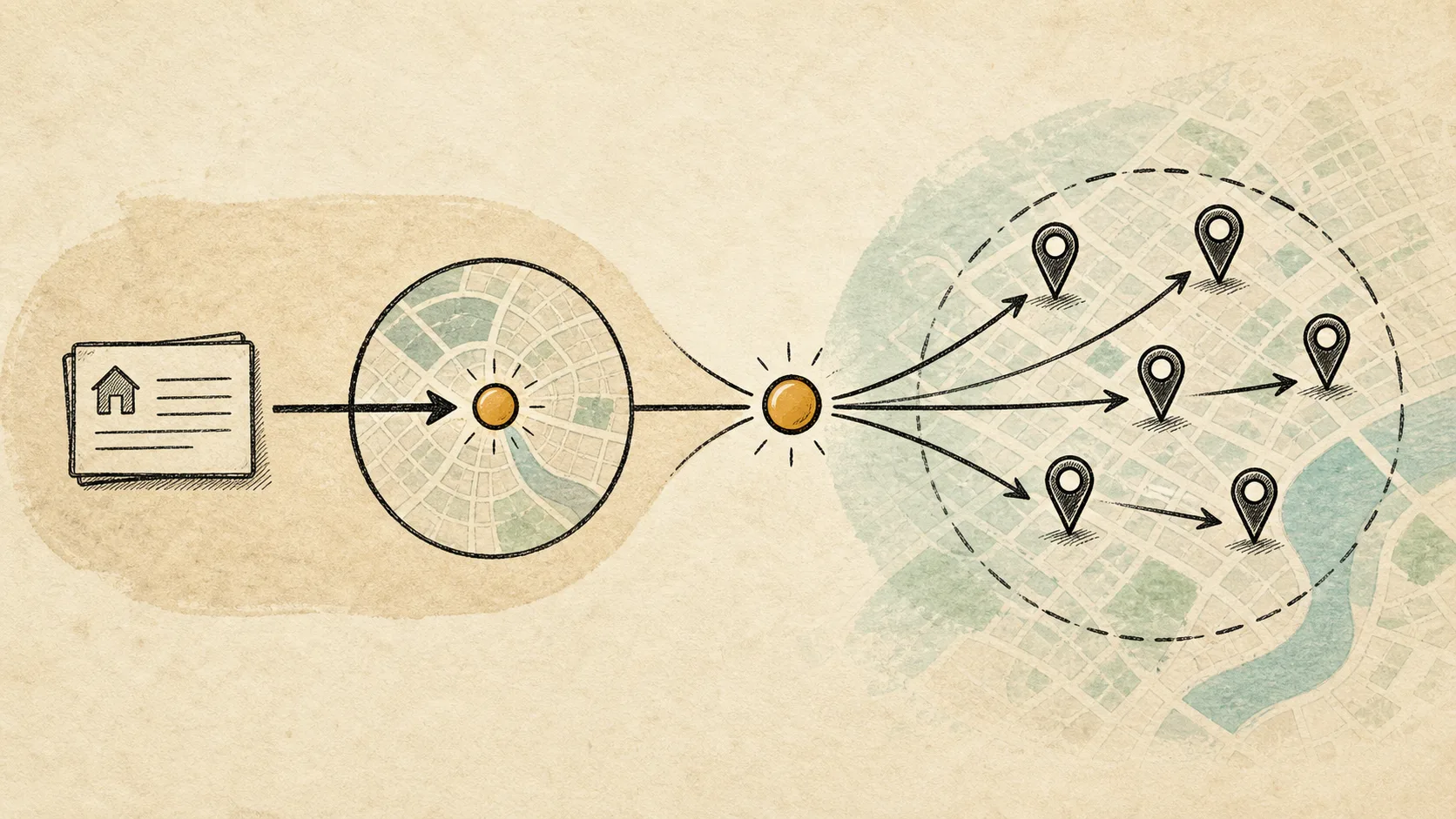
Places API vs geocoding API: which one do you need?
Geocoding turns addresses into coordinates. Place search finds businesses, venues, and POIs near a point. Mixing them up creates bad UX and bad bills.
Read it ▸ -
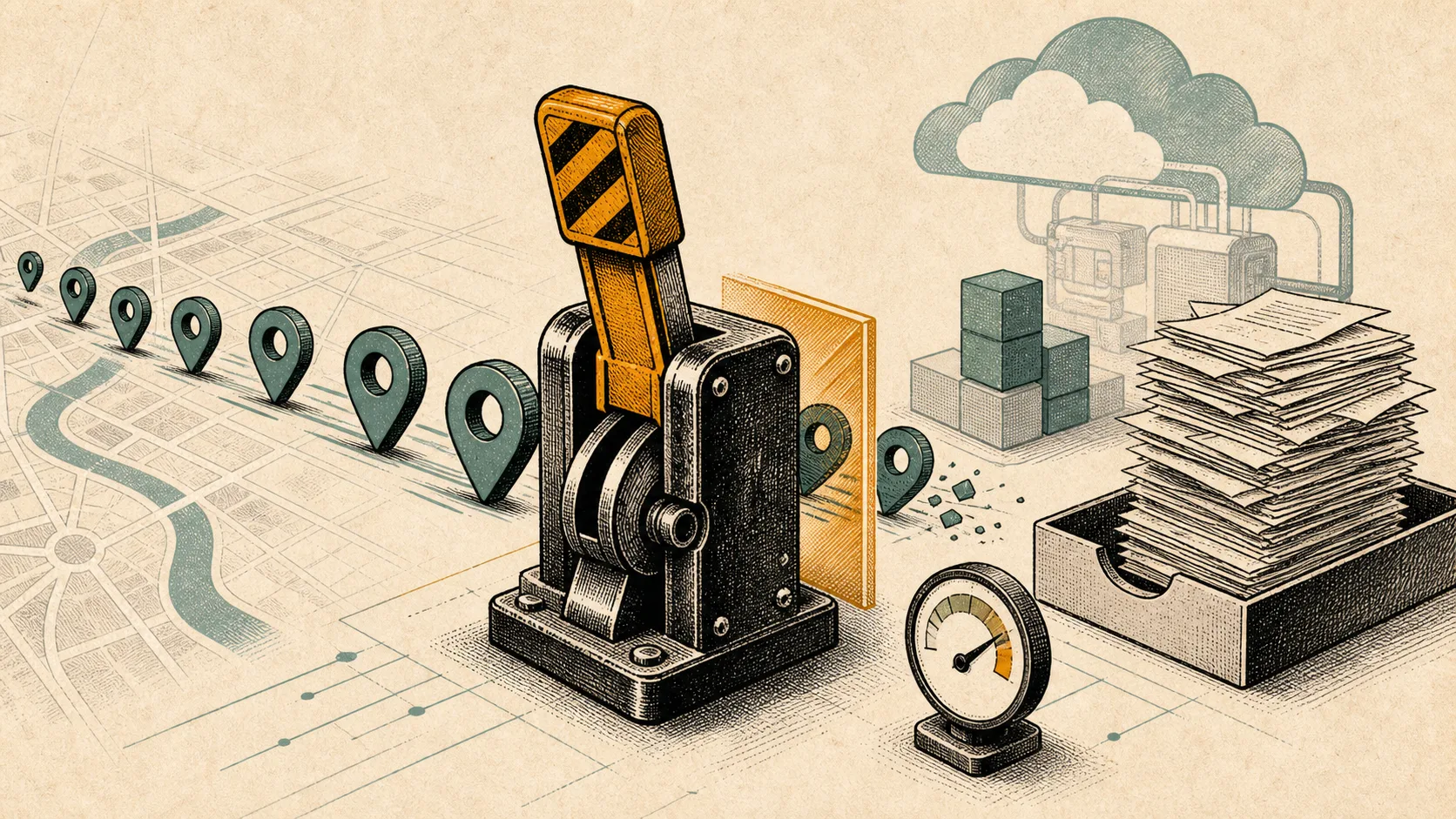
How to cap Google Maps API spending
Google Cloud budgets alert you, quotas limit API volume, and Pub/Sub automation can disable billing. Here is what each control does and does not do.
Read it ▸ -
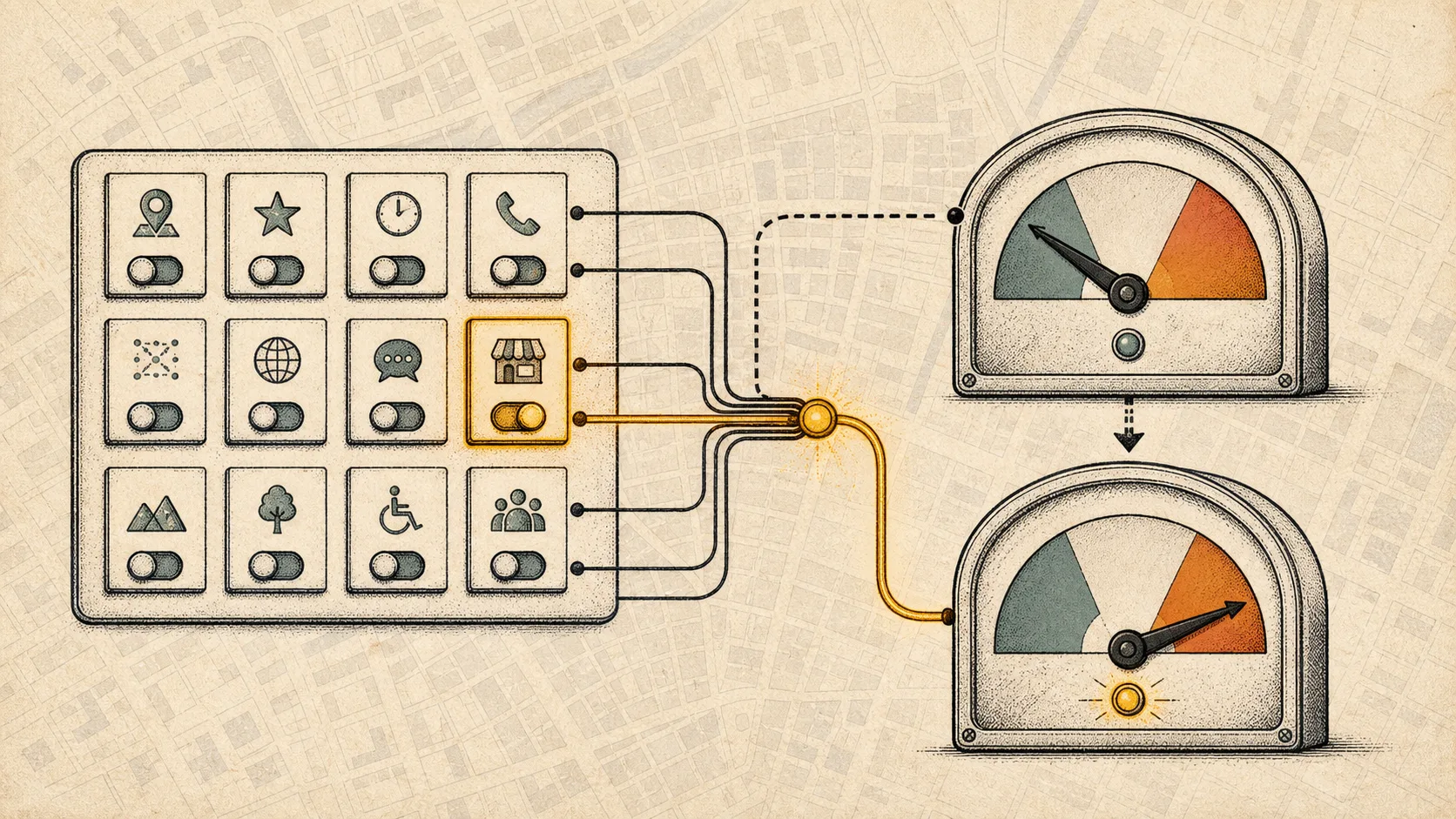
Google Places field masks and pricing, explained
Places API field masks control response shape and billing tier. One extra field can reprice the whole call.
Read it ▸ -
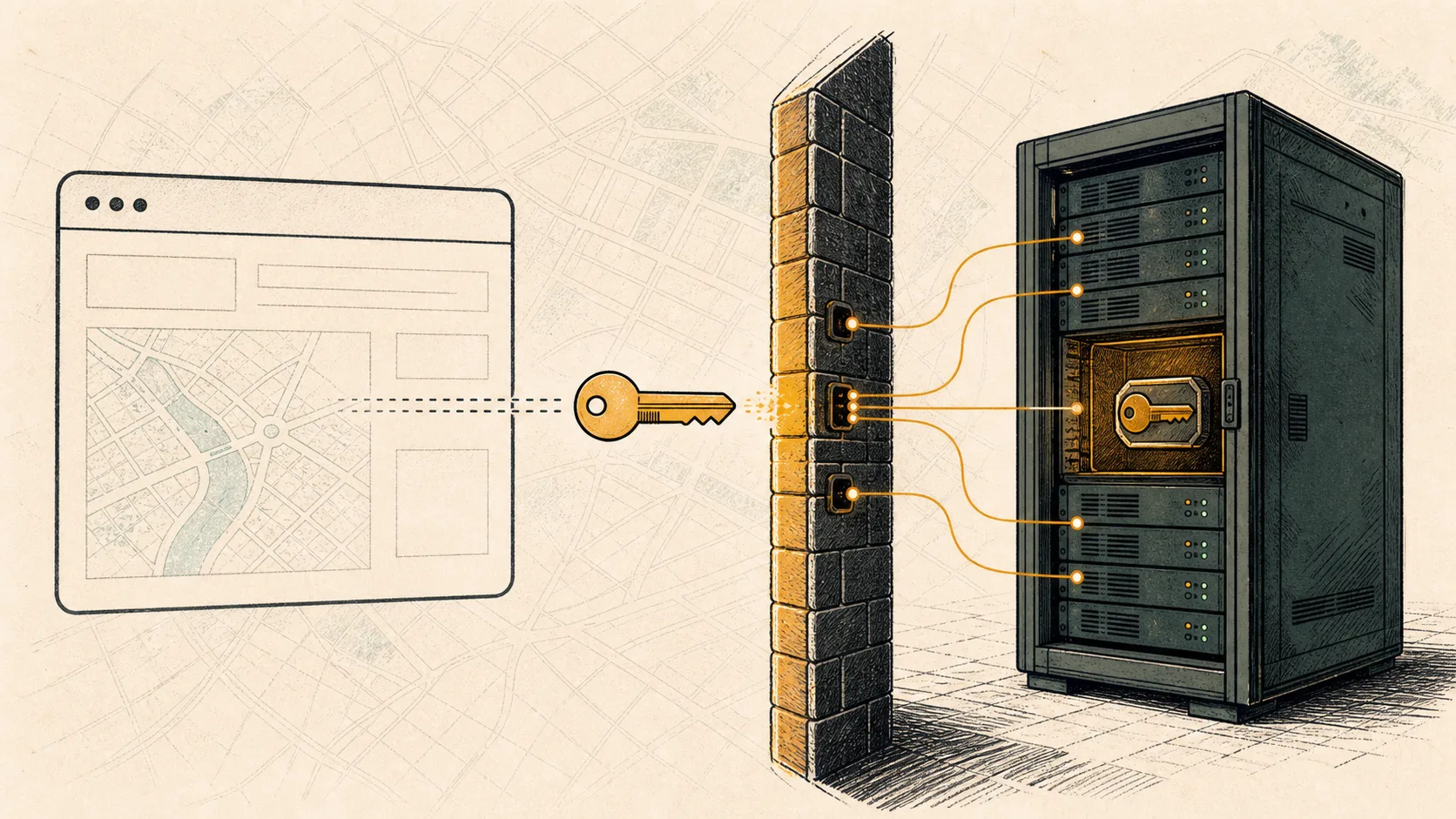
Google Places API key setup: what to keep server-side
A practical guide to Places API key setup, restrictions, and why server-side place search should not leak keys into the browser.
Read it ▸ -
Is the Google Places API free in 2026?
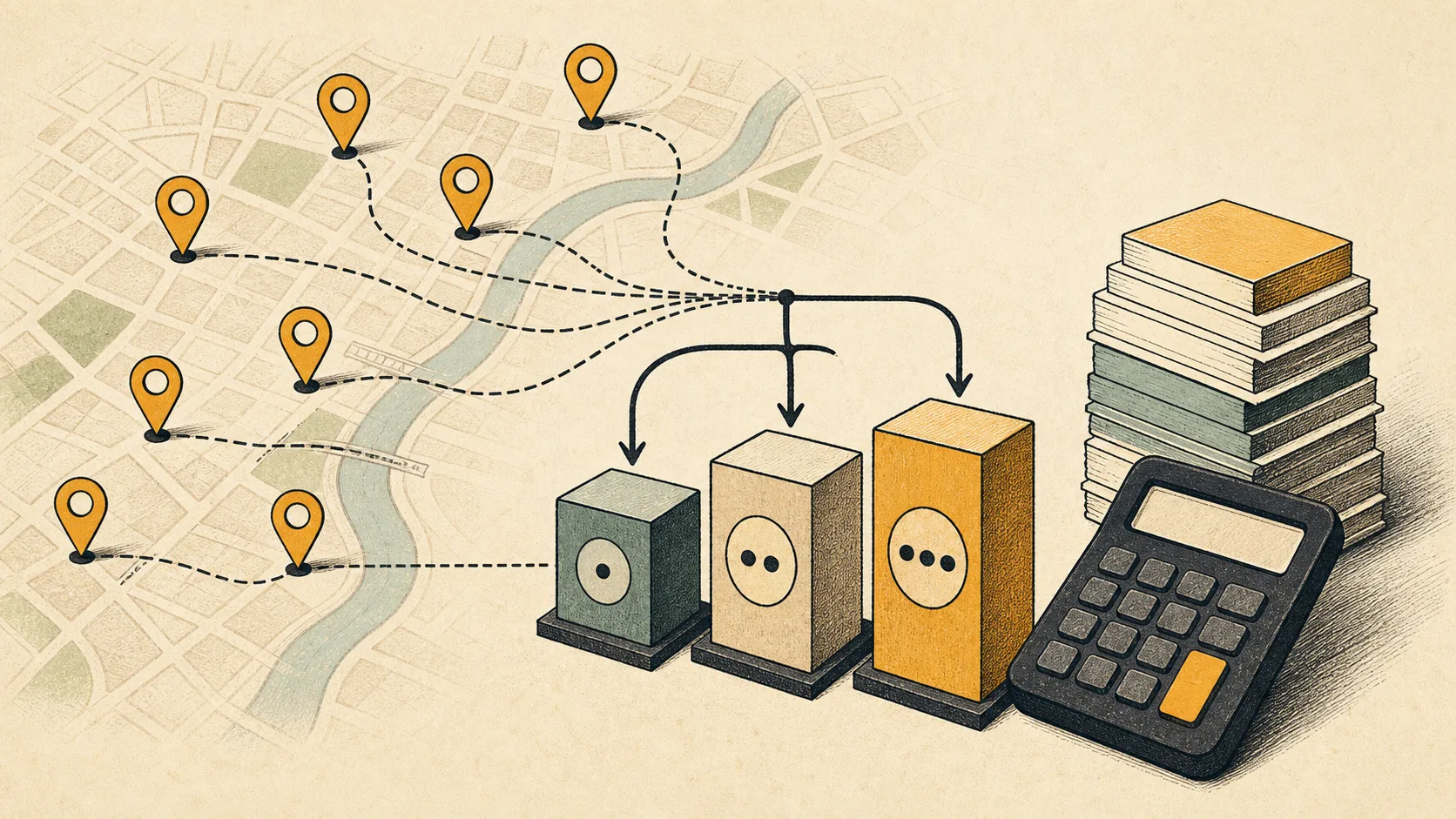
Google Places has free monthly usage, but not one simple free tier. Here is how the 2026 per-SKU thresholds work and where place search starts billing.
Read it ▸ -
What Google Places API actually costs in 2026
A worked breakdown of Google Places API pricing in 2026: the tiers, per-SKU free thresholds, the dead $200 credit, and what a place search really costs.
Read it ▸ -
FSQ OS Places is free. So why pay for place search?
Foursquare open-sourced 100M+ places under Apache 2.0. The license cost went to zero, but the serving cost moved to you. Three real options, compared.
Read it ▸ -
Build a store locator without Google Maps
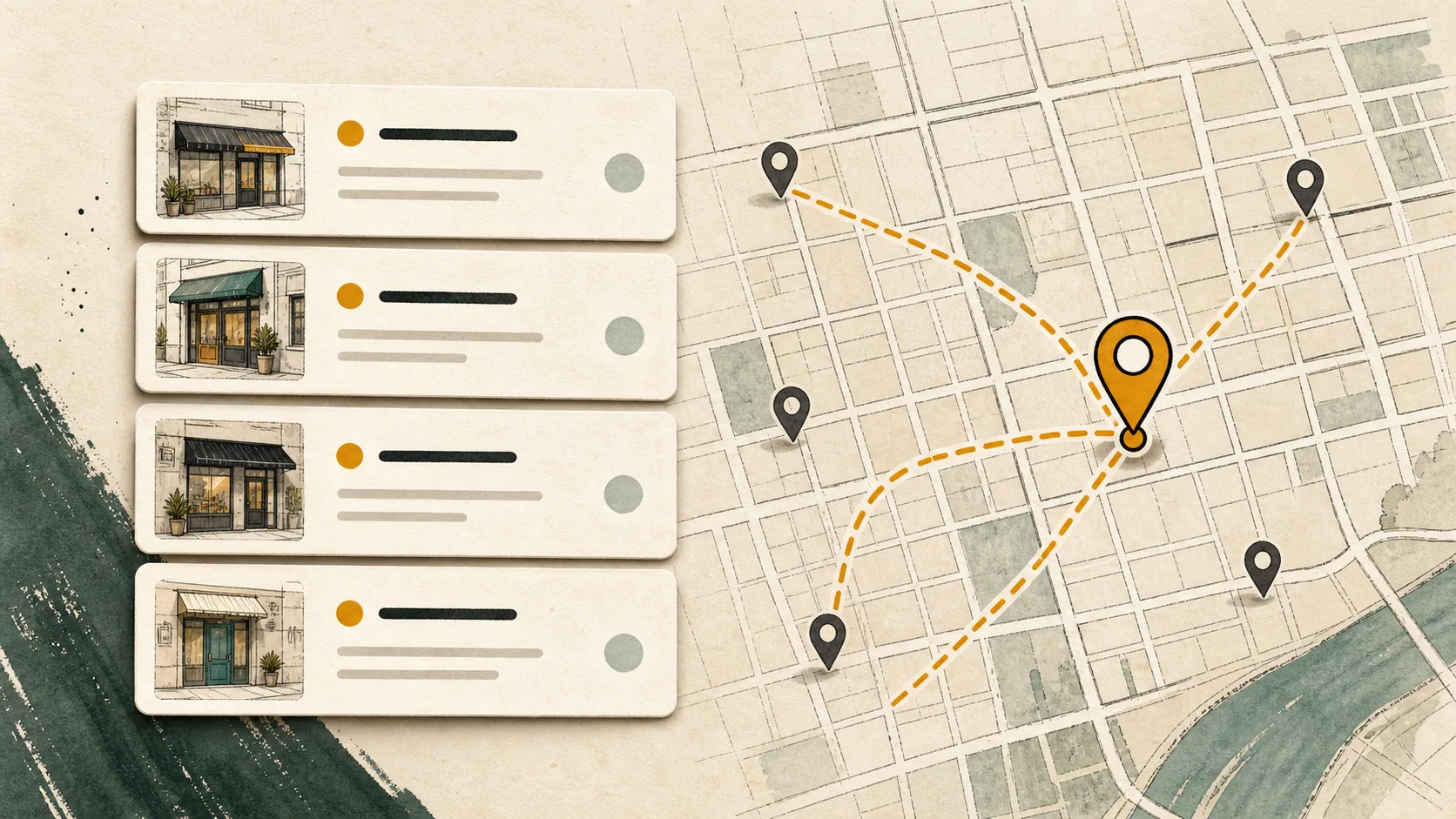
A store locator is two problems: knowing where the user is, and finding what's near them. Here's how to solve both with one GET request and no maps platform.
Read it ▸ -
Give your AI agent local search
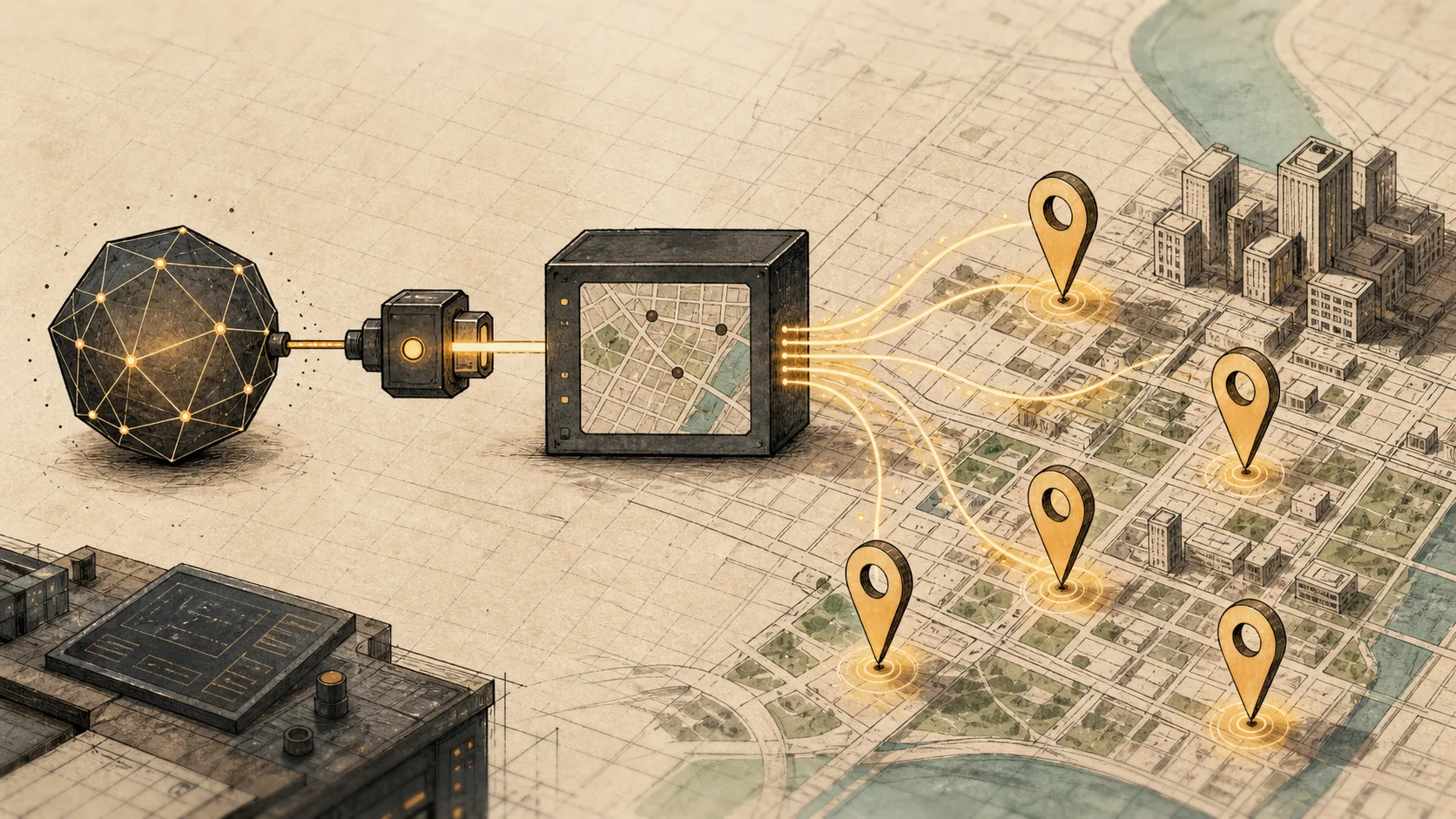
AI agents are bad at knowing what's nearby and great at calling tools. Three ways to hand your agent real-world place search: MCP, a tool definition, or plain HTTP.
Read it ▸